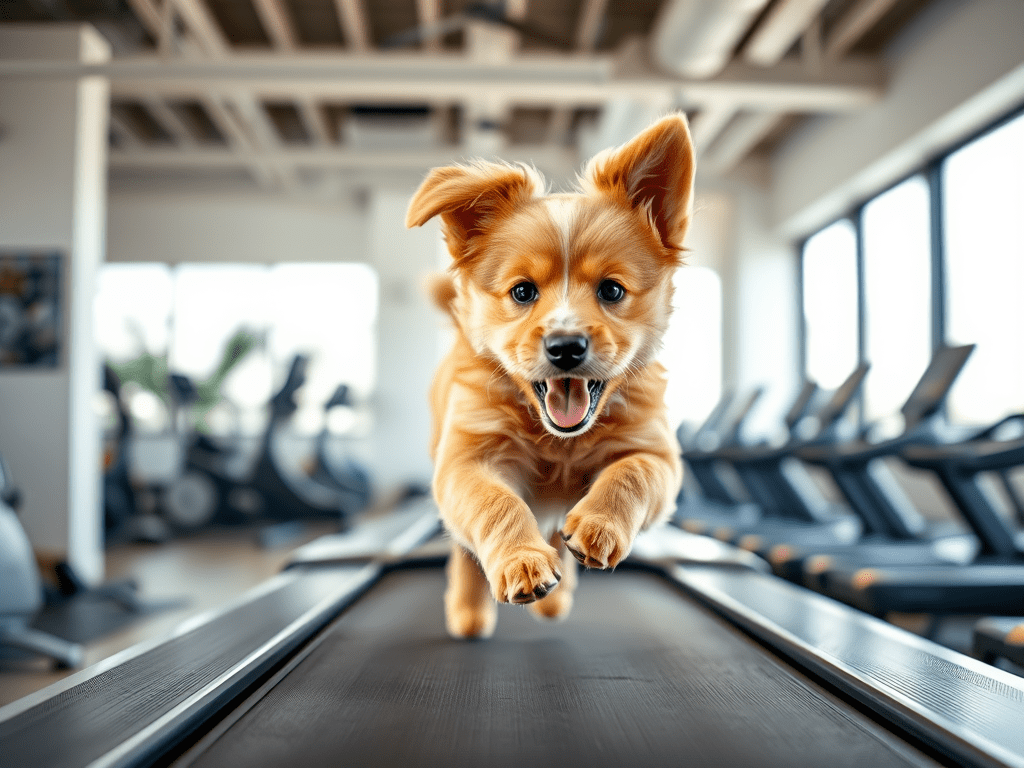
Bringing home a new puppy is an exciting experience, but one of the biggest questions new pet parents have is: “How much exercise does my puppy need?”
Too little exercise can lead to pent-up energy and behavior issues, while too much can strain their developing joints. In this guide, we’ll break down the best ways to exercise your puppy based on their age, breed, and energy level.
Why Exercise is Important for Puppies 🐾🏃♂️
Regular exercise helps puppies:
✔ Develop strong muscles and bones 🦴
✔ Burn off excess energy (reducing destructive behaviors) 🔥
✔ Improve social skills and confidence 🐕🐕
✔ Strengthen the bond with their owners ❤️
✔ Maintain a healthy weight ⚖️
However, puppies are still growing, so it’s important to provide the right amount and type of exercise.
How Much Exercise Does a Puppy Need? 🕰️
A good rule of thumb is the 5-minute rule:
🐶 5 minutes of exercise per month of age, twice per day.
| Puppy Age | Daily Exercise (Per Session) |
| 2 months | 10 minutes (twice a day) |
| 3 months | 15 minutes (twice a day) |
| 4 months | 20 minutes (twice a day) |
| 5 months | 25 minutes (twice a day) |
| 6 months | 30 minutes (twice a day) |
⛔ Avoid over-exercising young puppies, especially large breeds, as too much stress on their joints can lead to problems later in life.
Exercise Based on Breed & Energy Level
Different breeds have different exercise needs. Here’s a general breakdown:
🐶 Low-Energy Breeds (Couch Potatoes)
✔ Bulldogs, Basset Hounds, Shih Tzus, Great Danes
✔ Short, gentle walks and playtime indoors
✔ 20-30 minutes per day is usually enough
🐕 Medium-Energy Breeds (Balanced Pups)
✔ Golden Retrievers, Labrador Retrievers, Cocker Spaniels
✔ Walks, play sessions, and basic training
✔ 30-45 minutes per day
🏃♂️ High-Energy Breeds (Active Dogs)
✔ Border Collies, Australian Shepherds, Huskies, Jack Russells
✔ Need structured exercise like running, agility, or fetch
✔ 60+ minutes per day (split into multiple sessions)
🐾 Tip: Even if your puppy’s breed is high-energy, avoid excessive running or jumping before their joints are fully developed (usually around 12-18 months).
Best Ways to Exercise Your Puppy 🎾
1️⃣ Short Walks 🏞️
✔ Use a lightweight leash and harness
✔ Start with short, slow walks (5-10 minutes)
✔ Let them sniff and explore—mental stimulation is just as important!
2️⃣ Playtime (Tug, Fetch, Chase) 🎾
✔ Helps burn energy while strengthening your bond
✔ Keep sessions short (10-15 minutes) to avoid overexertion
✔ Avoid high-impact activities like jumping on hard surfaces
3️⃣ Puzzle Toys & Training 🧠
✔ Mental stimulation tires puppies out just as much as physical exercise
✔ Teach basic commands like sit, stay, and recall
✔ Food puzzle toys are great for keeping their minds engaged
4️⃣ Socialization Walks 🐕🐾
✔ Expose them to new people, sounds, and safe environments
✔ Helps prevent fearfulness and anxiety later in life
✔ Keep early interactions positive and controlled
5️⃣ Indoor Activities 🏡
✔ Hide and seek (have them find you in another room)
✔ Snuffle mats or treat-dispensing toys
✔ Gentle indoor tug-of-war games
Signs Your Puppy is Getting Too Much or Too Little Exercise
🚨 Over-Exercised Puppy Signs:
❌ Limping or stiffness after activity
❌ Excessive panting or collapsing from exhaustion
❌ Reluctance to go on walks
❌ Lack of interest in playtime
🚨 Under-Exercised Puppy Signs:
❌ Excessive barking or chewing furniture
❌ Hyperactivity and zoomies at odd hours
❌ Digging or other destructive behaviors
❌ Weight gain
🐾 Tip: Adjust your puppy’s routine if you notice any of these signs. A tired puppy is a happy puppy—but not an exhausted one!
Final Thoughts
Providing the right amount of exercise is key to raising a well-behaved, healthy puppy. Stick to short, age-appropriate activities and always pay attention to your puppy’s energy levels.


 Puppy Owners Guide
Leave a comment