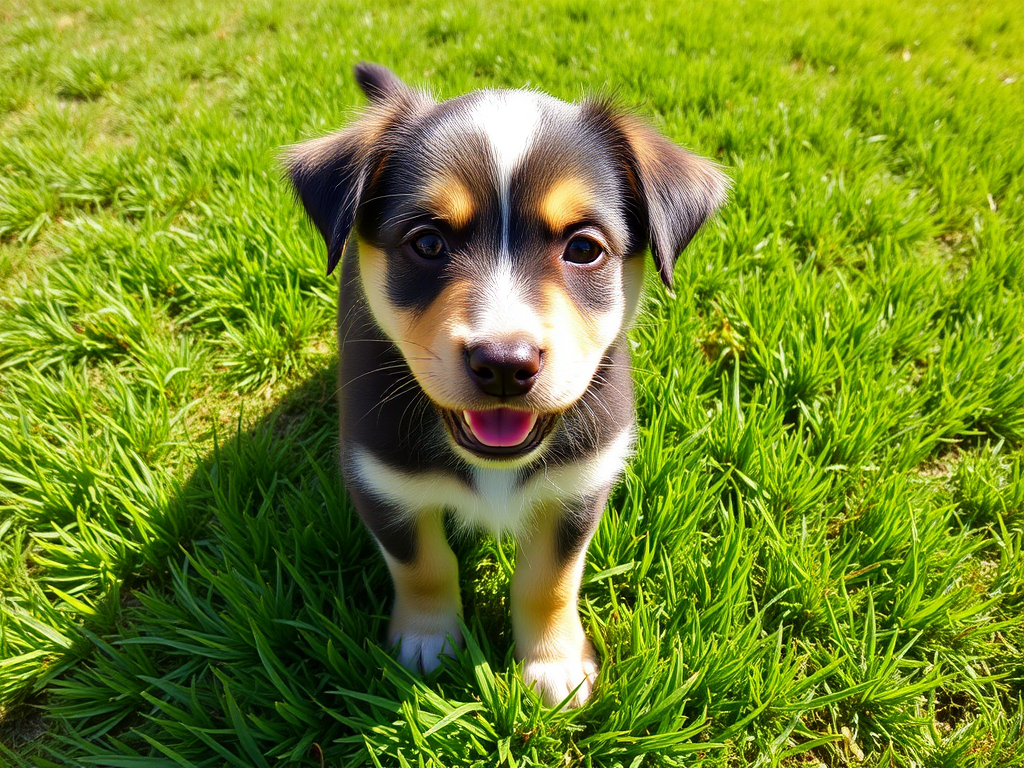
Bringing home a new puppy is an exciting and joyful experience, but one of the first challenges new pet parents face is potty training. Teaching your puppy where and when to go potty requires patience, consistency, and positive reinforcement.
In this guide, we’ll walk you through the best methods for potty training your new furry friend, along with tips to make the process smoother and stress-free.
Step 1: Establish a Routine
Puppies thrive on routine, and a consistent schedule is key to successful potty training. Take your puppy outside:
✔ First thing in the morning
✔ After every meal
✔ After naps
✔ After playtime
✔ Before bedtime
Puppies usually need to relieve themselves every 1-2 hours, depending on their age. A good rule of thumb: Take their age in months and add 1 to determine how many hours they can hold their bladder. (For example, a 3-month-old puppy can typically hold it for 4 hours.)
Step 2: Pick a Designated Potty Spot
Choose a specific area outside where you want your puppy to go potty. Taking them to the same spot each time helps them associate the location with bathroom breaks.
✔ Use a verbal cue like “Go potty” or “Do your business” to reinforce the action.
✔ Reward them immediately with praise and a small treat when they go in the right spot.
Step 3: Supervise and Use Confinement
Until your puppy is fully trained, always keep a close eye on them to prevent accidents.
✔ Use a leash indoors when you can’t give full attention.
✔ Crate training can be a helpful tool, as most puppies won’t soil their sleeping space.
✔ If using a crate, make sure it’s just big enough for your puppy to stand, turn around, and lie down—too much space can encourage accidents.
Step 4: Watch for Potty Cues
Puppies often display signs when they need to go. Look out for:
🚨 Sniffing the floor
🚨 Circling
🚨 Whining or restlessness
🚨 Sudden stops in play
When you notice these cues, take them outside immediately!
Step 5: Accidents Happen – Stay Calm
Accidents are a normal part of the learning process. If you catch your puppy in the act:
❌ Don’t yell or punish them – this can create fear and confusion.
✔ Interrupt gently (say “Oops!” or clap hands lightly) and take them outside.
✔ Clean up thoroughly using an enzymatic cleaner to remove odor and discourage repeat accidents in the same spot.
Step 6: Be Patient and Consistent
Potty training takes time, and every puppy learns at their own pace. Stay positive, and never punish mistakes—reward success instead.
✔ Stick to the schedule
✔ Use the same potty spot
✔ Offer plenty of praise and rewards
Most puppies take 4-6 months to be fully potty trained, though some may take up to a year.
Bonus: Crate Training for Potty Training Success
Crate training can help puppies learn bladder control by mimicking their natural instinct to keep their sleeping area clean.
✔ Start with short crate sessions and gradually increase the time.
✔ Take them outside immediately after letting them out.
✔ Never use the crate as punishment—it should be a safe and comfortable space.
Final Thoughts
Potty training is one of the first and most important lessons you’ll teach your new puppy. With patience, consistency, and positive reinforcement, your pup will soon learn the right habits.
Remember: Celebrate progress, stay patient, and enjoy the bonding experience with your furry companion!
 Puppy Owners Guide
Leave a comment