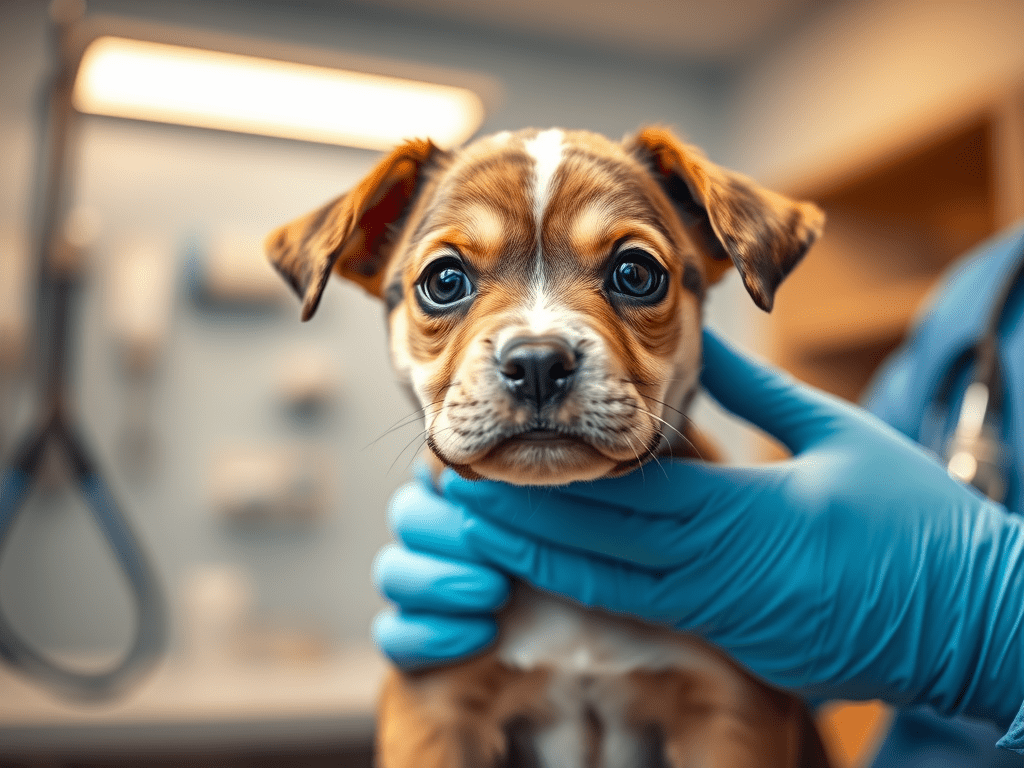
Bringing home a new puppy comes with excitement and responsibility. One of the most important steps in ensuring their long-term health is following a veterinarian-approved vaccination schedule and implementing a strong preventative care routine. Vaccines protect your puppy from serious diseases, while proper care helps them grow into a healthy adult dog.
Below, we’ll walk you through the recommended vaccination schedule and the preventative care measures every new puppy parent should take.
Puppy Vaccination Schedule
Veterinarians typically follow a structured vaccine schedule to protect puppies from common and dangerous illnesses. Here’s a general guideline:
Core Vaccines (Essential for All Dogs)
| Age | Vaccine | Purpose |
| 6-8 weeks | DHPP (Distemper, Hepatitis, Parvovirus, Parainfluenza) | Protects against multiple serious viral infections. |
| 10-12 weeks | DHPP (booster) + Optional Bordetella | Reinforces immunity; Bordetella prevents kennel cough (recommended for social puppies). |
| 14-16 weeks | DHPP (booster) + Rabies | Final core vaccine booster; Rabies is legally required in most areas. |
| 12-16 months | DHPP (booster) + Rabies | Ensures lasting immunity into adulthood. |
| Every 1-3 years | DHPP + Rabies (based on local laws & vet recommendations) | Keeps immunity strong throughout life. |
Non-Core (Optional) Vaccines
These are recommended based on lifestyle and environment:
- Bordetella – Prevents kennel cough; needed for dogs in daycare, training classes, or boarding facilities.
- Leptospirosis – Protects against bacteria found in contaminated water or soil; important for outdoor dogs.
- Lyme Disease – Recommended for dogs in tick-prone areas.
- Canine Influenza – For dogs frequently exposed to other dogs (e.g., boarding, dog parks).
Preventative Care Steps for a Healthy Puppy
Vaccines are just one part of keeping your puppy healthy. A complete preventative care routine includes:
1. Regular Veterinary Checkups
- Puppies should have their first vet visit within a week of coming home.
- Follow-up checkups help monitor their growth and address any concerns.
- Annual wellness exams are crucial even after the first year.
2. Deworming & Parasite Prevention
- Puppies often have intestinal parasites (worms) from birth and need deworming at 2, 4, 6, and 8 weeks old.
- After 8 weeks, monthly flea, tick, and heartworm prevention should begin.
- Your vet may recommend fecal tests to check for parasites.
3. Proper Nutrition
- Feed a high-quality, veterinarian-recommended puppy food based on their breed and size.
- Puppies need 3-4 meals per day until about 6 months old, then transition to 2 meals daily.
- Avoid human foods that are toxic to dogs, like chocolate, grapes, onions, and xylitol.
4. Socialization & Training
- Early socialization (8-16 weeks old) helps puppies become well-adjusted adults.
- Expose them gradually to new people, environments, and other animals in a safe way.
- Basic obedience training (sit, stay, recall) can start early.
5. Dental Care
- Introduce tooth brushing with a dog-safe toothpaste early on.
- Dental chews and professional cleanings help prevent dental disease.
6. Spaying & Neutering
- Most vets recommend spaying/neutering around 6-9 months old, depending on breed.
- It helps prevent certain health issues and unwanted litters.
7. Microchipping & ID Tags
- A microchip is a permanent form of identification in case your puppy gets lost.
- Always have a collar with an ID tag containing your contact info.
Final Thoughts
Staying on top of your puppy’s vaccinations and preventative care helps ensure they live a long, happy, and healthy life. Always consult your veterinarian to customize a plan based on your puppy’s breed, lifestyle, and health needs.
Are you preparing for your puppy’s first vet visit? Let us know in the comments if you have any questions!



 Puppy Owners Guide
Leave a comment