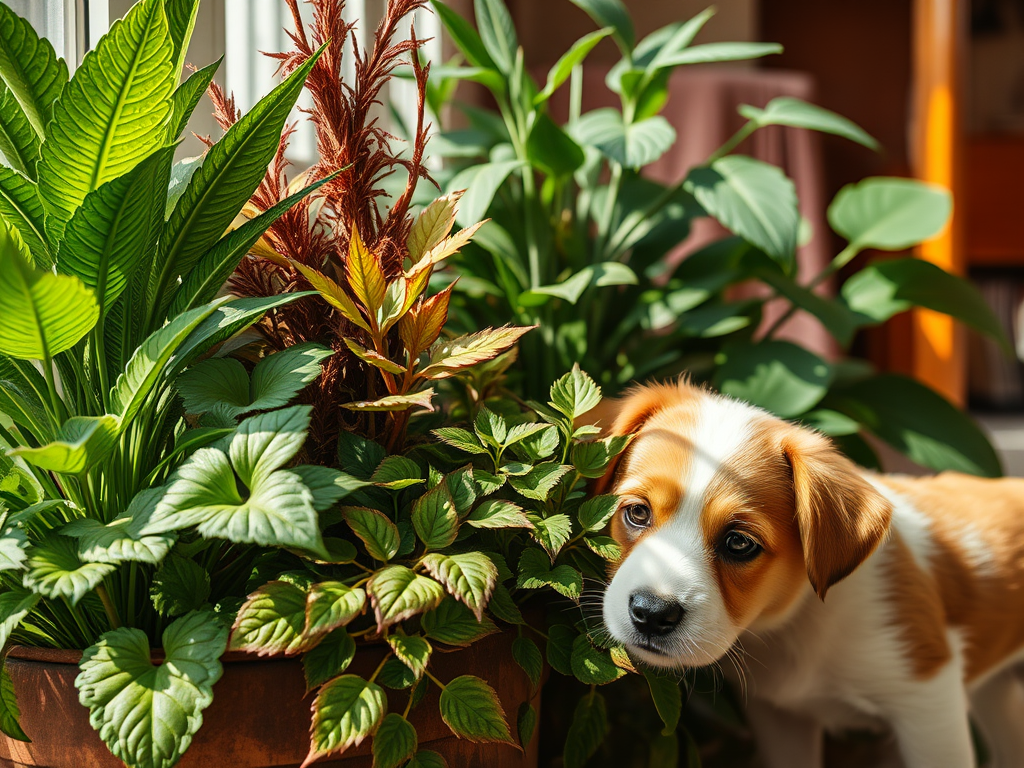
Bringing a new puppy into your home is an exciting and joyful experience, but it also comes with the responsibility of ensuring their safety. Puppies are naturally curious, which means they often explore the world with their mouths. Unfortunately, many common household items, including plants and chemicals, can pose a danger to them. Understanding how to recognize these hazards is crucial for every pet owner.
Common Toxic Plants to Watch Out For
Many houseplants and garden plants can be harmful or even fatal if ingested by your puppy. Here are some of the most common toxic plants to be aware of:
- Lilies – Highly toxic to cats, but some varieties can also cause issues for dogs, leading to vomiting, lethargy, and even kidney failure.
- Aloe Vera – While known for its healing properties, Aloe Vera can cause vomiting, diarrhea, and lethargy in dogs.
- Dieffenbachia (Dumb Cane) – This popular houseplant can cause swelling, irritation, and difficulty swallowing if chewed.
- Sago Palm – Extremely toxic, even small amounts can cause severe liver failure in dogs.
- Tulips and Daffodils – The bulbs are especially dangerous and can lead to serious stomach issues, heart problems, and even death.
- Oleander – All parts of this plant are highly toxic and can lead to fatal heart issues if ingested.
Other Household Hazards
Aside from plants, there are several other household dangers to be mindful of:
Food Hazards
Some human foods can be highly toxic to puppies, including:
- Chocolate – Contains theobromine, which can cause heart problems and seizures.
- Grapes and Raisins – Can lead to sudden kidney failure.
- Onions and Garlic – Damage red blood cells and cause anemia.
- Xylitol (Artificial Sweetener) – Found in sugar-free gum, candies, and some peanut butters; can lead to hypoglycemia and liver failure.
Household Chemicals and Products
- Cleaning Supplies – Many cleaning products contain harmful chemicals like bleach and ammonia that can cause severe poisoning if ingested.
- Pesticides and Rodenticides – These products are designed to kill pests, but they can be just as deadly to your puppy.
- Medications – Over-the-counter and prescription medications, even in small amounts, can be highly toxic to pets.
How to Keep Your Puppy Safe
- Puppy-Proof Your Home – Go through each room and remove or secure any potential hazards.
- Choose Pet-Friendly Plants – Opt for non-toxic plants like spider plants, areca palms, or Boston ferns.
- Store Chemicals Safely – Keep cleaning supplies and medications in secure, out-of-reach cabinets.
- Monitor Outdoor Areas – If your puppy has access to a garden, ensure it is free of toxic plants and pesticides.
- Educate Yourself – Regularly check lists of toxic plants and substances from veterinary sources like the ASPCA.
By being proactive and creating a safe environment, you can ensure your puppy grows up happy, healthy, and free from unnecessary dangers. If you ever suspect your puppy has ingested something toxic, contact your veterinarian or a pet poison control hotline immediately.



 Puppy Owners Guide
Leave a comment