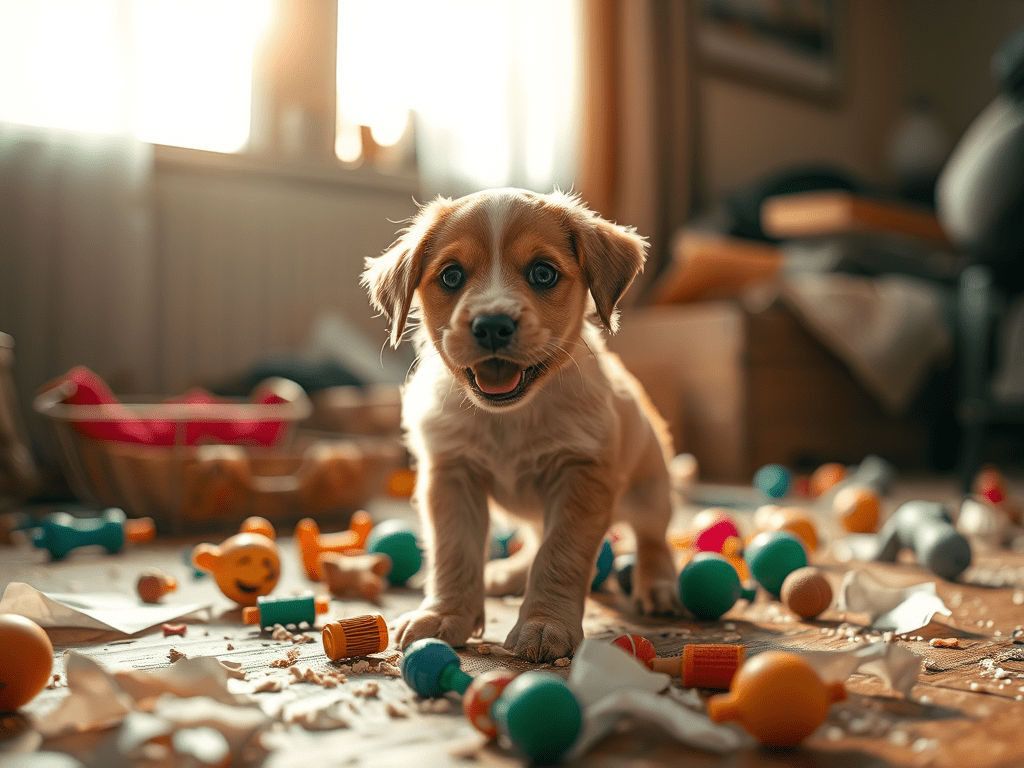
Bringing home a new puppy is one of life’s most exciting adventures. With those wagging tails, big eyes, and playful energy, it’s easy to forget that puppies are also curious, mischievous, and prone to getting into trouble. Just like toddlers, they explore the world with their mouths and paws—meaning your home needs a bit of prep work to keep both your puppy and your belongings safe.
Whether you’re adopting a puppy for the first time or just need a refresher, here’s a comprehensive guide to puppy-proofing your home.
1. Start with a Puppy’s Perspective
Get down to your puppy’s level—literally. Crawl around your home to see what they might find tempting, like exposed cords, loose objects, or low-lying food. If it fits in a puppy’s mouth, it’s probably going in there.
2. Secure Cords and Wires
Puppies love to chew, and cords can look like fun toys. But chewing on electrical wires can lead to injury or worse. Use cord protectors, tuck wires behind furniture, or secure them with cable management solutions.
3. Store Medications and Cleaning Products Safely
Keep all medications, household cleaners, and other chemicals in high cabinets or behind locked doors. Even a seemingly harmless substance like toothpaste or laundry detergent pods can be toxic to dogs.
4. Hide the Trash
Puppies are natural scavengers. Make sure trash cans have tight-fitting lids or are placed behind closed doors. This goes for kitchen waste, bathroom trash, and anything in-between.
5. Remove or Elevate Hazardous Plants
Common houseplants like pothos, philodendron, and lilies can be toxic to dogs. Either get rid of them or place them well out of reach. Check the ASPCA’s list of toxic plants to be safe.
6. Use Baby Gates Wisely
Want to keep your puppy out of certain rooms? Baby gates are your best friend. Use them to block off stairs, laundry rooms, or offices filled with temptations.
7. Watch Out for Small Items
Hair ties, coins, socks, batteries, and jewelry are all choking hazards. Keep them off the floor and out of reach. The same goes for kids’ toys—many of which have small parts not suitable for dogs.
8. Create a Safe Space
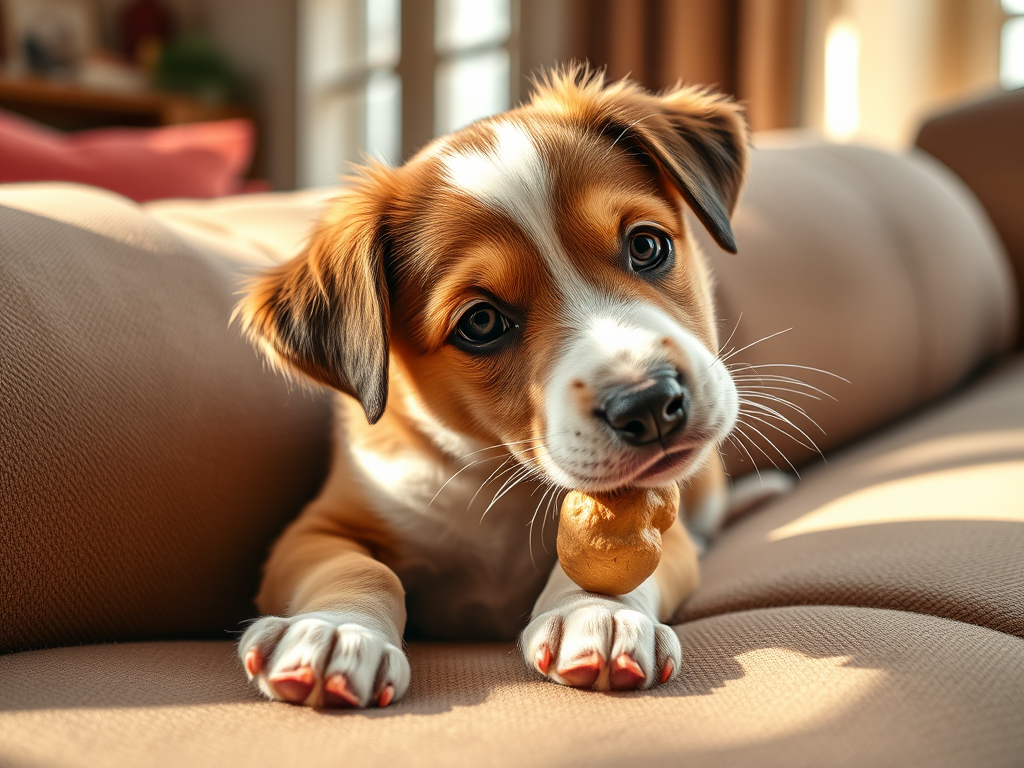
Designate a specific area where your puppy can stay when unsupervised. A crate, playpen, or small gated-off area filled with toys and soft bedding can give them a secure place to rest and play.
9. Anchor Furniture and Appliances
If your puppy gets rowdy, make sure large furniture like bookshelves, TVs, or lamps won’t topple over. Use wall anchors or stabilizing brackets if needed.
10. Keep the Toilet Lid Down
Many dogs are drawn to toilet water, which isn’t just gross—it may contain cleaning chemicals. Make a habit of keeping the lid down or close the bathroom door altogether.
Final Thoughts
Puppy-proofing your home isn’t just about protecting your belongings—it’s about setting your furry friend up for a safe and happy start. By making a few smart adjustments and staying a step ahead of your pup’s curiosity, you’ll create an environment that helps them learn, grow, and thrive.
And remember: patience is key. Puppies are learning every day, and it’s up to us to guide them with care and love.
 Puppy Owners Guide
Leave a comment