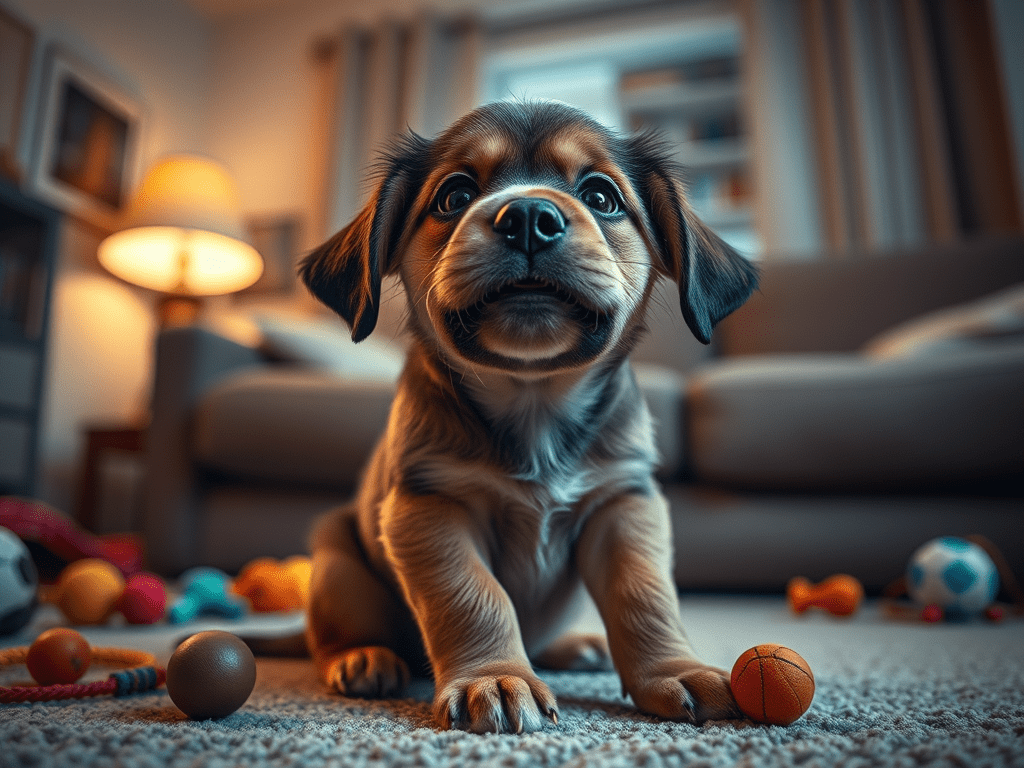
Bringing home a new puppy is a joyful and exciting time, but it also comes with its own set of challenges—one of the most common being separation anxiety. Puppies are naturally social animals that bond closely with their humans, and without proper training, they can become distressed when left alone.
The good news? With early intervention and consistent routines, you can help your puppy grow into a confident, independent dog. Here’s how to prevent separation anxiety from taking root in your new furry friend.

1. Start Alone-Time Training Early
From day one, get your puppy used to short periods of solitude—even if you’re home all the time.
- Begin with a few minutes in a crate, playpen, or another safe space.
- Gradually increase the time you’re out of sight, returning calmly to avoid overexcitement.
- Avoid sneaking out. Instead, make departures low-key so your pup doesn’t associate you leaving with a dramatic event.
2. Establish a Predictable Routine
Dogs feel safer and more secure when they know what to expect.
- Set regular times for meals, potty breaks, walks, and naps.
- Create structured alone time during the day, even when you’re home, to encourage independence.
3. Encourage Independent Play
Teach your puppy that it’s okay to be alone—and even enjoyable.
- Offer enrichment toys like KONGs stuffed with peanut butter or puzzle feeders.
- Rotate toys to keep them novel and engaging.
- Use these toys only during alone time to create positive associations.
4. Avoid Making a Big Deal About Departures or Arrivals
It’s tempting to give lots of love when you leave or come home, but this can make your absence more dramatic for your puppy.
- Keep hellos and goodbyes calm and matter-of-fact.
- Wait until your puppy is calm before giving attention after arriving home.
5. Crate Training Can Help (If Done Right)
A properly introduced crate can be a safe, comforting place for your puppy—not a punishment.
- Make the crate cozy with soft bedding and toys.
- Feed your puppy in the crate and give treats to build positive associations.
- Start with the door open and gradually build up to short closed-door sessions.
6. Exercise and Mental Stimulation Are Key
A tired puppy is a calm puppy.
- Make sure your pup gets age-appropriate physical exercise.
- Include mental stimulation through training, new environments, and problem-solving games.
7. Consider Professional Help if Needed
If your puppy is showing signs of distress like constant barking, destructive chewing, or accidents when you leave, don’t wait too long to intervene.
- A professional dog trainer or behaviorist can help guide you with a plan tailored to your pup’s needs.
- Veterinarians can also rule out any underlying medical issues.
Final Thoughts
Preventing separation anxiety is all about building your puppy’s confidence and helping them learn that being alone isn’t scary—it’s just another part of their day. With time, patience, and consistency, you can raise a well-adjusted dog who’s happy both by your side and on their own.


 Puppy Owners Guide
Leave a comment