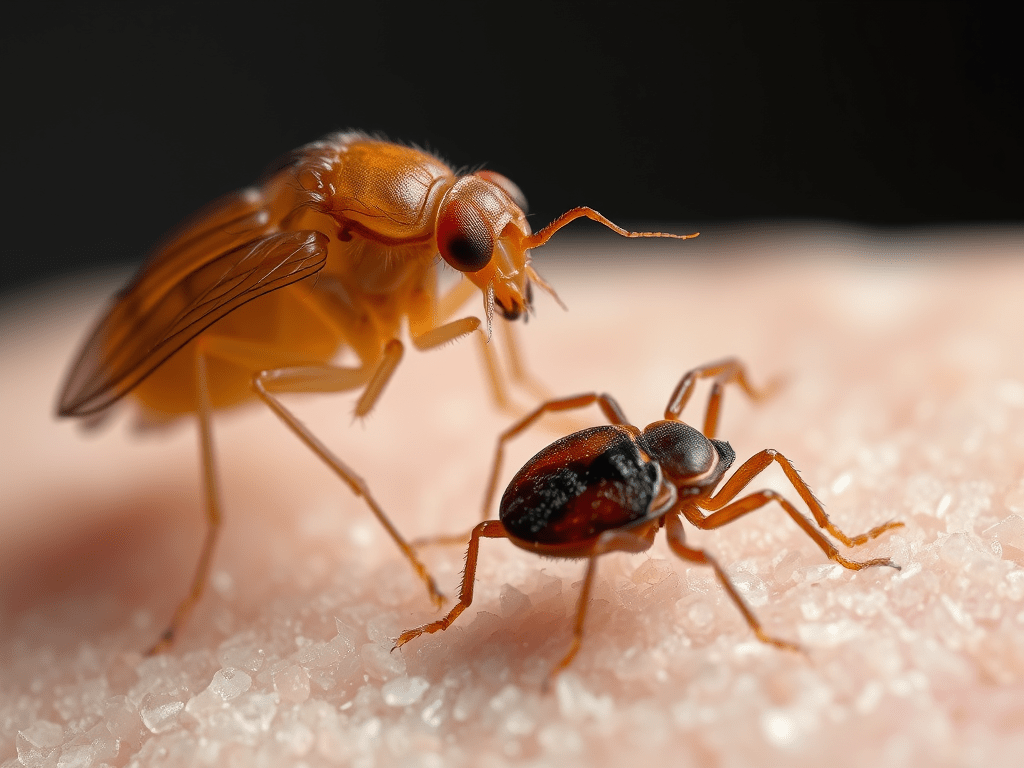
Welcoming a puppy into your home is a joyful and exciting experience. Their playful energy, boundless curiosity, and cuddly nature make them irresistible. But along with the fun comes responsibility—especially when it comes to keeping your puppy safe from fleas, ticks, and other parasites.
Parasites can pose serious health risks to puppies, from skin irritations to life-threatening diseases. Fortunately, with the right knowledge and preventative care, you can protect your furry friend from these unwanted pests.

Why Prevention Is Essential
Puppies have developing immune systems, which makes them more susceptible to parasites and the diseases they carry. Here are some common threats:
- Fleas: These tiny insects can cause intense itching, allergic reactions, and even anemia in severe cases.
- Ticks: Ticks can transmit dangerous diseases such as Lyme disease, Ehrlichiosis, and Rocky Mountain Spotted Fever.
- Internal Parasites: Roundworms, hookworms, and whipworms are common in puppies and can cause vomiting, diarrhea, weight loss, and stunted growth.
- Heartworms: Transmitted by mosquitoes, heartworms can live in the heart and lungs, causing severe damage over time.
When to Start Prevention
Veterinarians usually recommend beginning parasite prevention as early as 6–8 weeks of age. Your vet will tailor a prevention plan based on your puppy’s age, weight, breed, lifestyle, and local risk factors.
Safe and Effective Preventatives
- Topical Treatments
- Applied monthly to the skin.
- Protect against fleas, ticks, and sometimes mites.
- Common brands: Frontline®, Advantage®, Revolution®.
- Oral Medications
- Chewable tablets that protect against fleas, ticks, and internal parasites.
- Some offer broad-spectrum protection.
- Examples: NexGard®, Simparica®, Sentinel®, Interceptor®.
- Collars
- Slow-release collars can provide protection for several months.
- Especially useful for long-term tick prevention.
- Example: Seresto®.
- Dewormers
- Puppies should be dewormed regularly starting at 2–3 weeks of age.
- Routine stool checks help monitor and detect internal parasites.
- Common deworming medications: Pyrantel, Fenbendazole, Milbemycin.
Environmental Control
Preventing infestations also means managing the environment your puppy lives in:
- Vacuum carpets, bedding, and furniture regularly.
- Wash your puppy’s bedding and toys frequently.
- Treat your yard for fleas and ticks if they are common in your area.
- Limit exposure to areas with high tick populations (e.g., dense woods or tall grass).
Signs Your Puppy Might Have Parasites
Keep an eye out for these symptoms:
- Persistent scratching or biting
- Hair loss or red, inflamed skin
- Visible fleas or flea dirt (tiny black specks)
- Worms in stool or around the anus
- Pot-bellied appearance
- Lethargy or poor appetite
If you notice any of these signs, contact your vet right away for diagnosis and treatment.
Final Thoughts
Prevention is always better—and often cheaper—than treatment. Protecting your puppy from fleas, ticks, and other parasites not only ensures their comfort and health but also safeguards your home and family (many parasites are zoonotic and can spread to humans).
Talk to your veterinarian to create a comprehensive prevention plan that’s safe and effective for your pup. With a little care and consistency, you can give your puppy the healthy, pest-free start they deserve.




 Puppy Owners Guide
Leave a comment