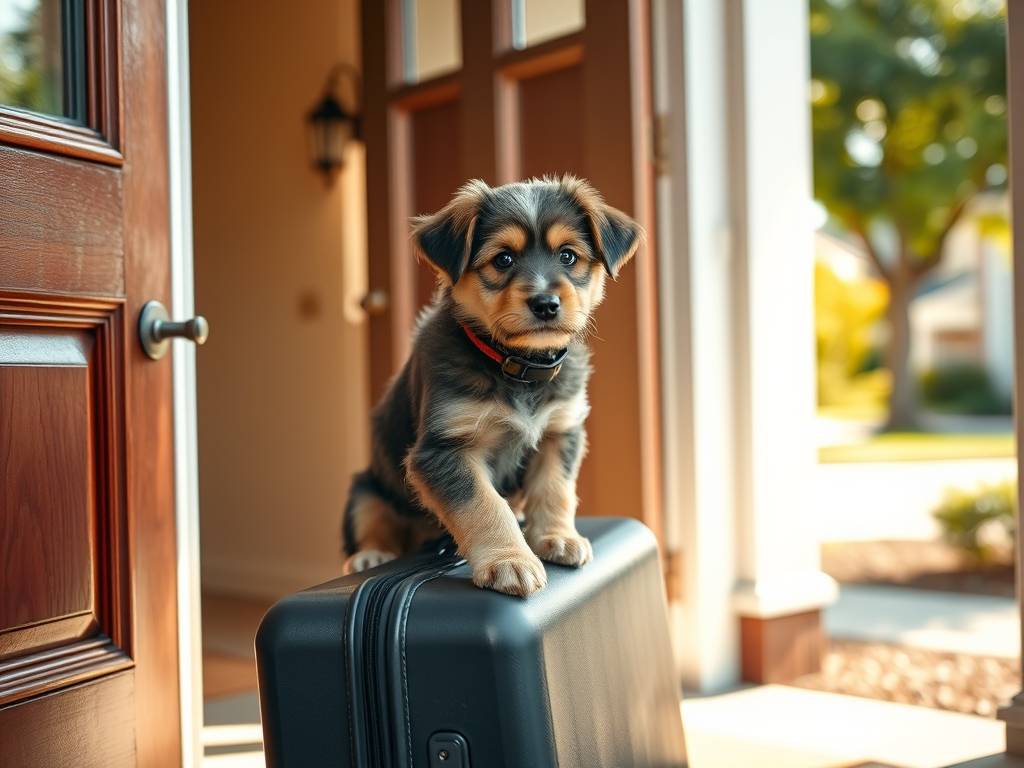
Bringing home a new puppy is an exciting and heartwarming experience. Those big eyes, floppy ears, and playful energy can instantly melt your heart. But before the tail wags and zoomies begin, there’s one important task to tackle: creating a safe, cozy space for your puppy to call their own.
Whether you’re a first-time dog owner or adding to your pack, setting up a secure environment helps your pup feel comfortable, promotes good behavior, and protects your home. Here’s a simple guide to setting up the perfect safe space for your new furry family member.
1. Choose the Right Location
Your puppy’s safe space should be:
- Quiet but not isolated: Pick a spot that’s away from heavy foot traffic and loud noises, but still within view of daily household activities. This helps your puppy feel included without being overwhelmed.
- Consistent: Dogs thrive on routine. Try to keep their space in one place rather than moving it around.
Great options include a corner of the living room, a laundry room, or a quiet section of the kitchen.
2. Create a Physical Boundary
Puppies are curious (and often mischievous), so boundaries are key. You can use:
- Puppy playpens: These provide a confined area that’s large enough for movement but small enough to prevent accidents.
- Baby gates: Block off certain rooms or stairs to keep your pup safe.
- Crates: When used properly, crates can feel like a safe den for your dog. Make sure it’s the right size—large enough to stand, turn around, and lie down, but not so large that they’re tempted to use one corner as a bathroom.
3. Add Comfort Essentials
Fill your puppy’s space with comforting items:
- Bedding: A soft, washable dog bed or crate mat is ideal. Avoid overly plush options for young chewers.
- Toys: Provide a mix of chew toys, squeaky toys, and comfort toys to keep your pup entertained and soothed.
- Water bowl: Always have fresh water available. Choose a sturdy, tip-proof bowl.
4. Puppy-Proof the Area
Safety first! Remove or secure anything that could harm your puppy, including:
- Electrical cords (use cord protectors or block access)
- Small objects or choking hazards
- Toxic plants, cleaning supplies, or human food
- Sharp edges or furniture they could climb and fall from
You may also want to use pee pads or a designated potty area nearby as part of house training.
5. Establish Positive Associations
Help your puppy love their new space by:
- Feeding them meals in the area
- Offering treats and praise when they enter it voluntarily
- Making it a calm, low-stress environment
- Avoiding using the space for punishment
This builds trust and reinforces that it’s a place of safety and comfort.
6. Supervise and Adjust
Even the best setup may need tweaking. Watch how your puppy interacts with the space:
- Are they chewing on something they shouldn’t?
- Do they seem anxious or overly excited?
- Is there enough room for them to relax and play?
Make small changes as needed, and remember—your puppy is learning, just like you.
Final Thoughts
Creating a safe space for your puppy is one of the best things you can do to set the foundation for a happy, confident, and well-adjusted dog. It gives them a place to rest, play, and feel secure as they adjust to their new life.
With some planning, patience, and love, your puppy’s first “home within a home” will be a launching pad for a lifetime of tail wags and happy memories.



 Puppy Owners Guide
Leave a comment